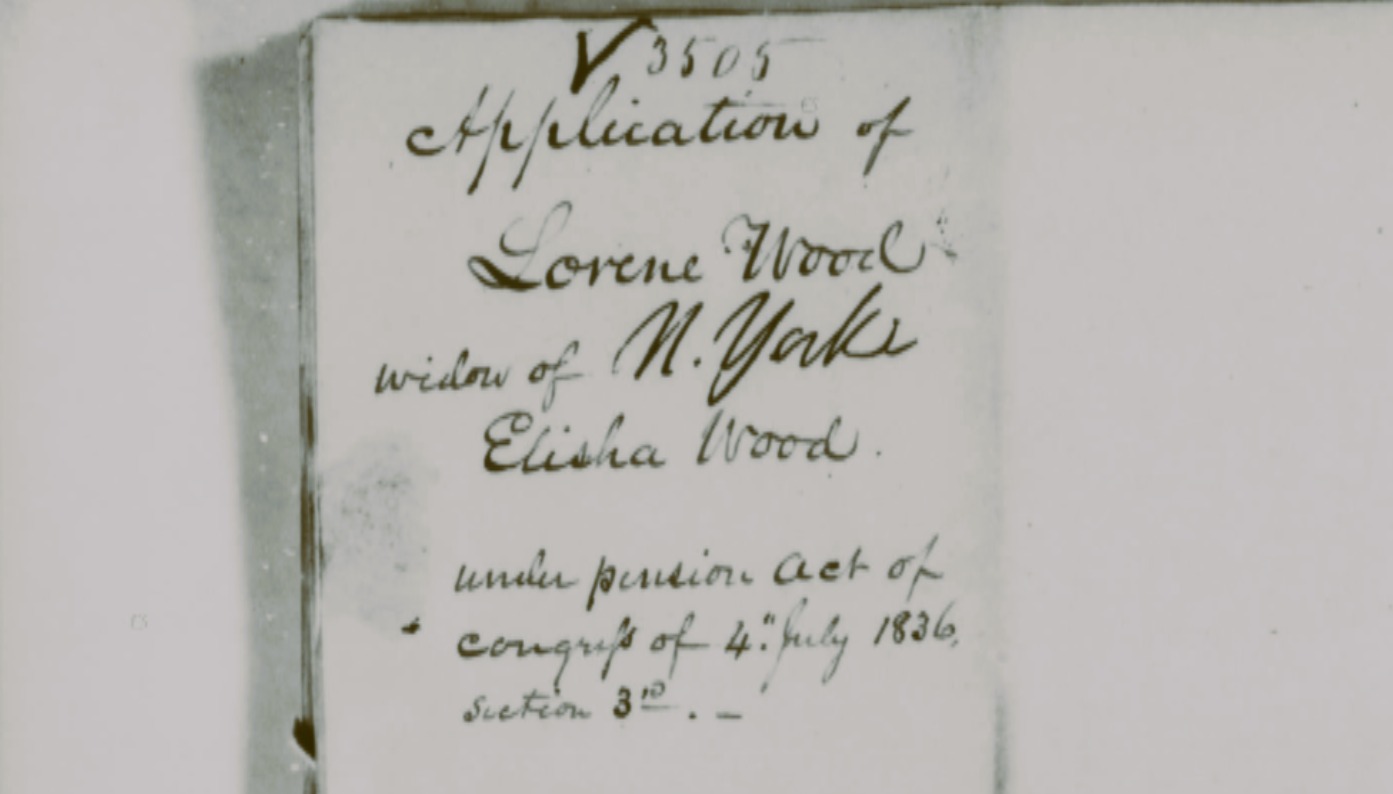
Revolutionary War Research: Elisha Wood’s Pension File
This post is a case study illustrating some of the research techniques discussed in my series introduction titled Researching Your Revolutionary War Ancestors.
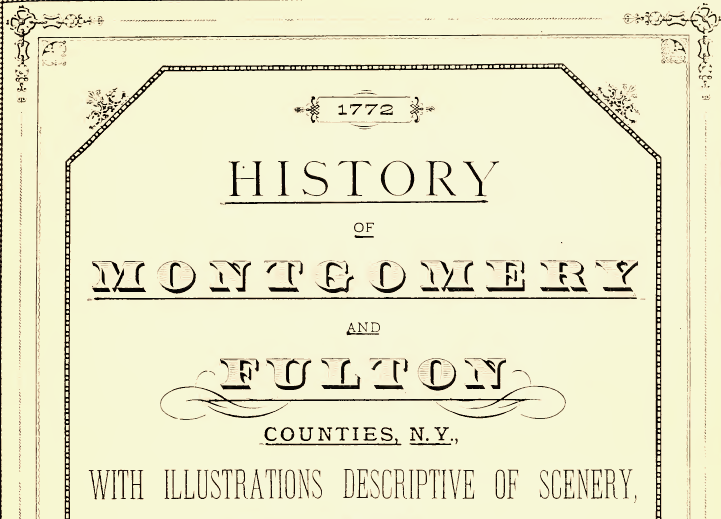
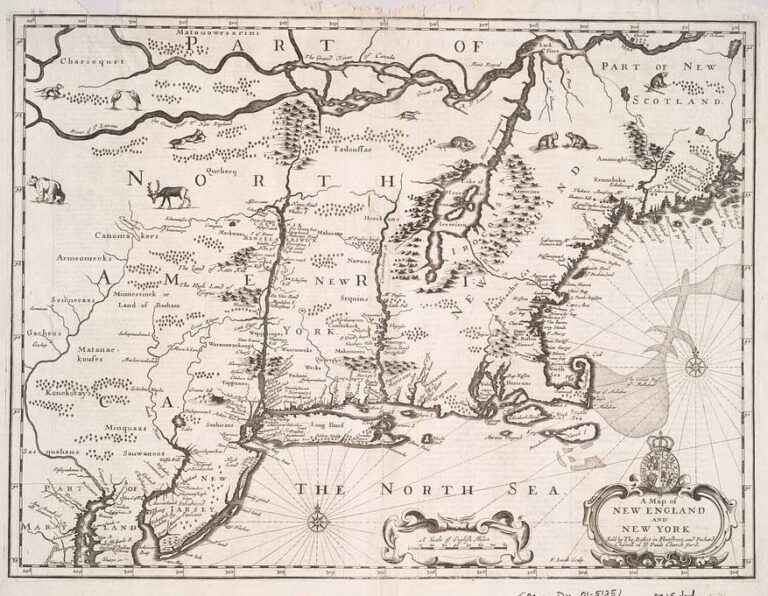
Today, in the third case study in my series, I’m sharing the story of my 5th great-grandparents, Elisha and Luraney Wood. Their journey from Massachusetts to the New York frontier showcases how analyzing conflicting Revolutionary War pension files can help us separate family myth from recorded facts.
In the world of lineage research, a “Rejected” stamp on Revolutionary War pension files is often seen as a dead end. But for a researcher, these files are often more revealing than those that were approved. When a claim was denied, it triggered a cycle of affidavits, depositions, and family testimonies that can provide a goldmine of data found nowhere else.
The Widow’s Testimony
In September of 1837, decades after the start of the Revolution, my 5th great-grandmother, Luraney Wood sat before a magistrate in Warren County, New York. She testified that her late husband, Elisha, was a blacksmith by trade who had served in the Massachusetts militias under a Captain Pierce and General Sullivan. Her brother-in-law, Amos Wood, provided a supporting affidavit, seemingly solidifying the family’s pension claim.
However, the pension office in Washington D.C. was not convinced. The claim was rejected for a “lack of evidence of service.”
Vital Records vs. Oral Testimony
As a researcher trained to look at the entirety of the evidence, I had to reconcile Luraney’s memory with the records I had already uncovered.
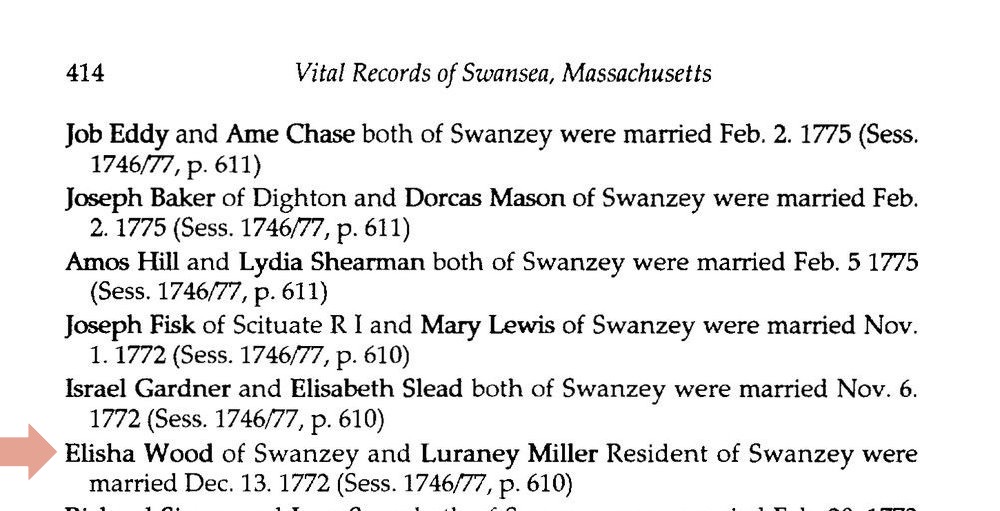
Elisha Wood and Luraney Miller were married in December 1772 in Swanzey [Swansea], Massachusetts.
My research into Vermont vital records shows that before the War they relocated to Manchester, Vermont (nearly 200 miles north of Swansea) prior to the birth of their first son, Elisha Jr. in April 1773.
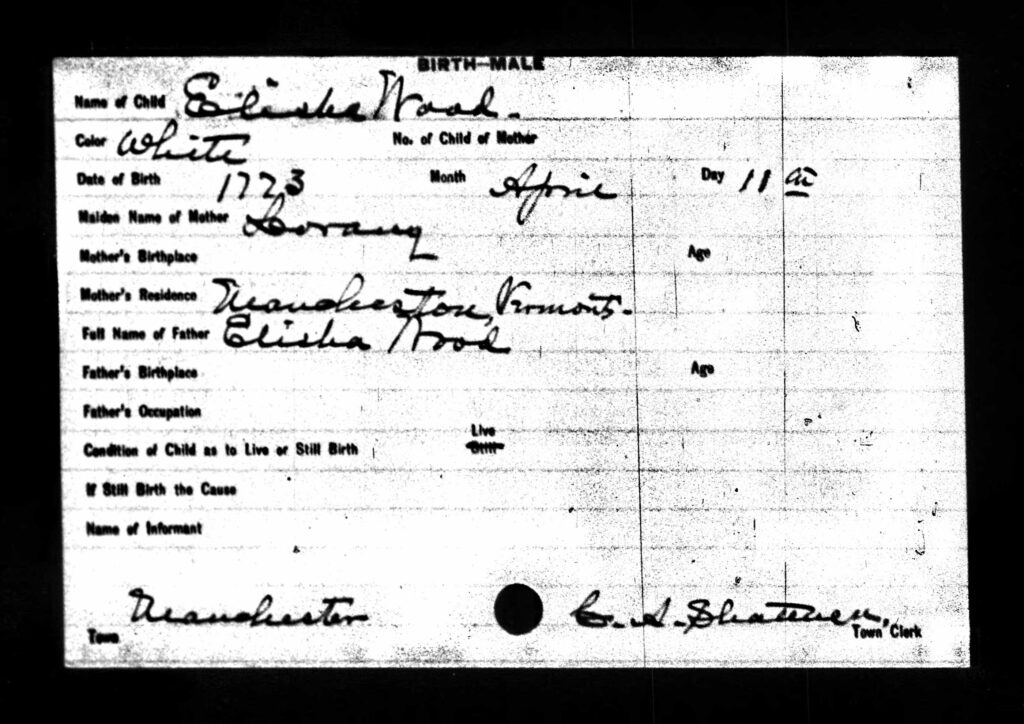 1773 Birth of Son Elisha Jr.
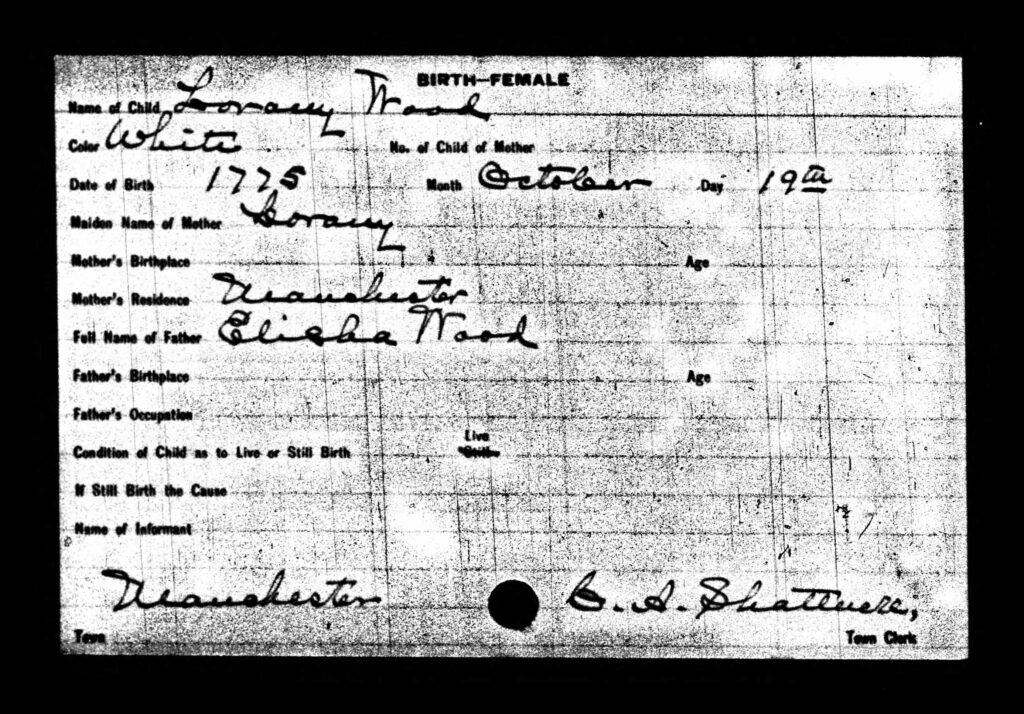 1775 Birth of Daughter Luraney
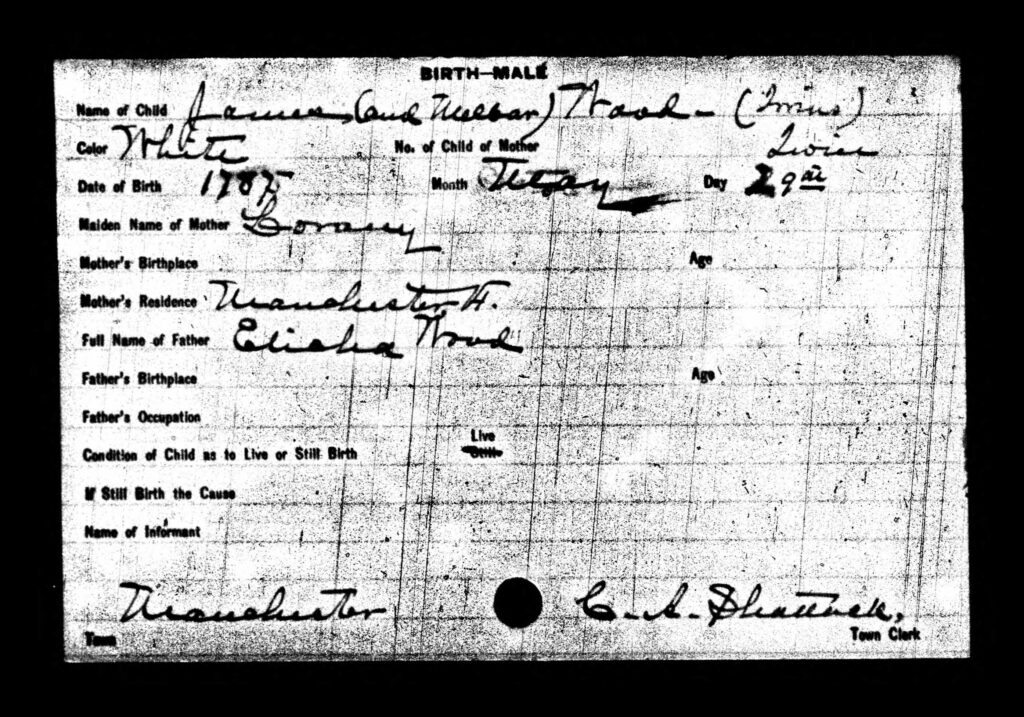 1787 Birth of Sons James & Melbar
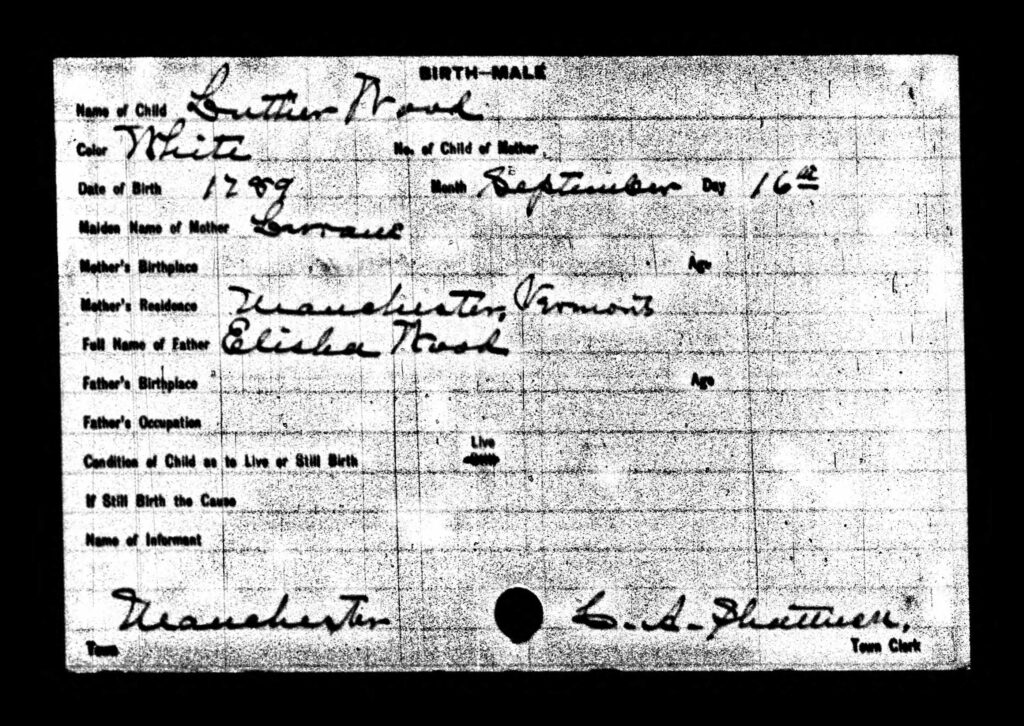 1789 Birth of Son Luther
Consequently, between 1773 and 1789, during the peak of the war, the couple recorded the births of five children in Manchester, Vermont vital records.
Because General Sullivan’s major campaigns in Rhode Island took place in 1778, it is highly improbable that a young father with a growing family in the Vermont wilderness traveled back to coastal Massachusetts to serve in a local militia.
The Value of Rejected Revolutionary War Pension Files
While the government said “No” to the pension, the file provided the “Yes” I needed to reconstruct their lives. By performing a deep-dive analysis of the file, I was able to verify:
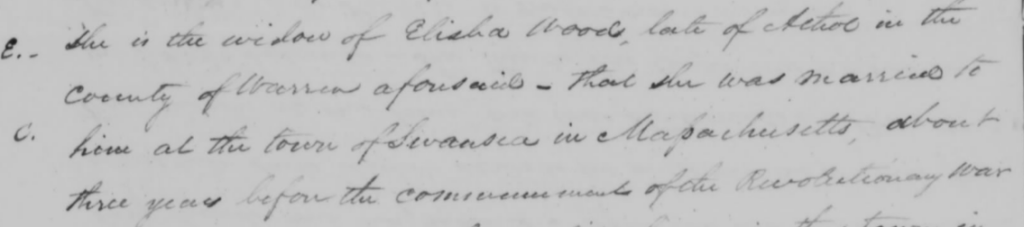
- Elisha’s last residence and likely place of death
- Elisha and Luraney’s marriage place and approximate marriage year
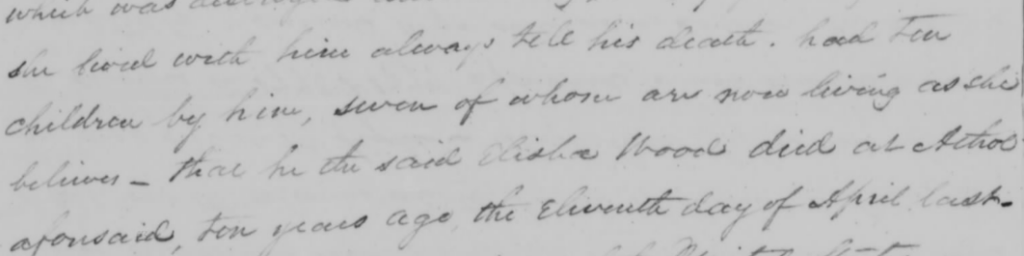
- The couple had ten children together, seven of whom were living at the time her testimony was given
- The date of Elisha’s death: 11 April 1827
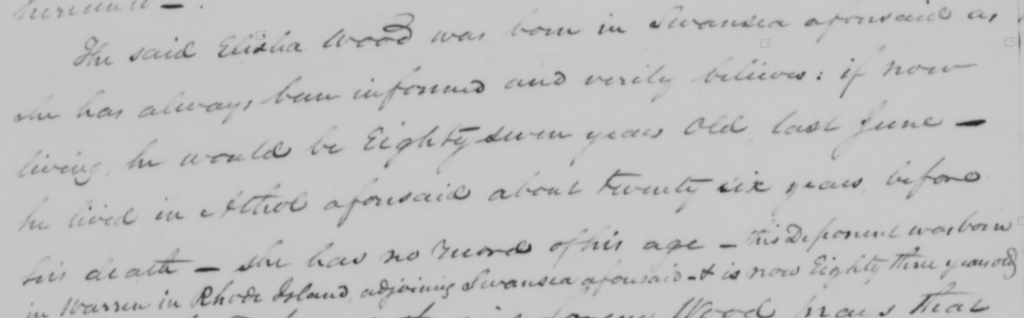
- Elisha’s birthplace and approximate birth date (Swansea in June 1750)
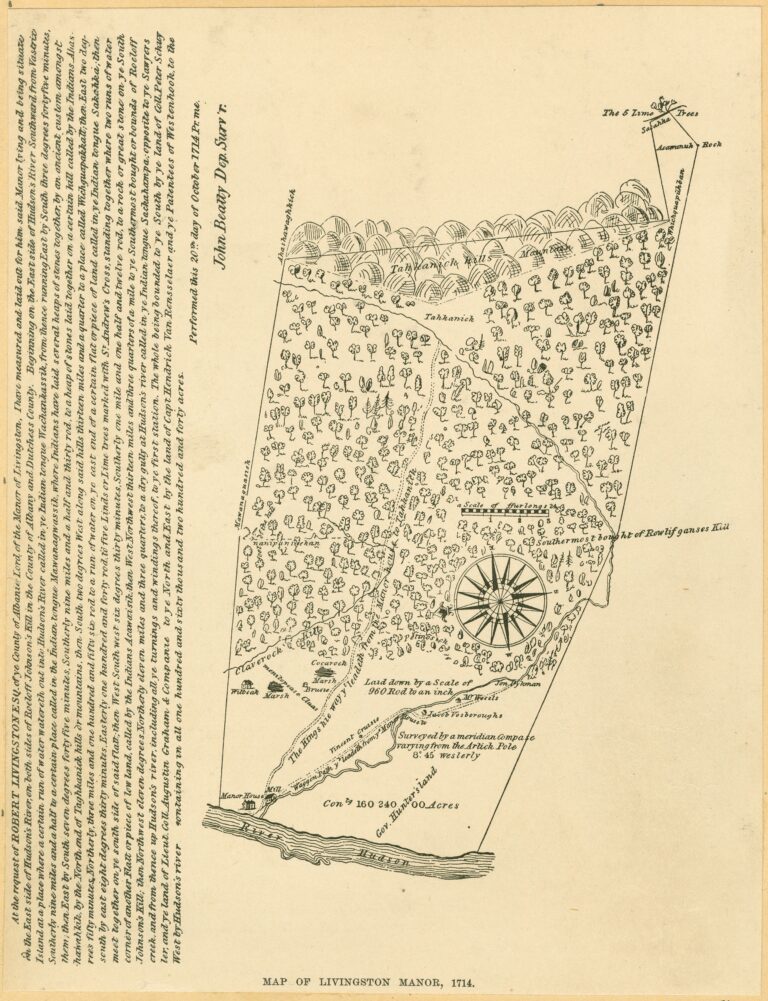
- The couple lived in Athol, Warren County, New York since ca. 1800
- Luraney was born in Warren, Rhode Island (adjoining town to Swansea)
- She was 83 years old at the time of her testimony, making her calculated birth year ca. 1754
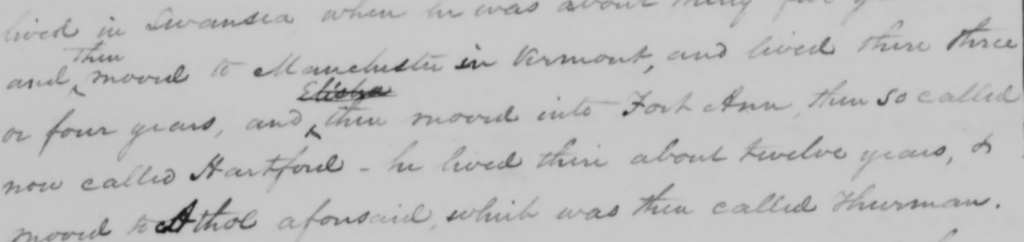
In the excerpt shown above, Elisha’s brother Amos provides some compelling information concerning the migration of Elisha’s family that supported information I had found through prior research:
- Origins in Swansea, Massachusetts
- Move to Manchester, Vermont
- Then to Fort Ann (Washington County, New York)
- With a final relocation to Athol (Warren County, New York)
Why the Truth Matters for Your Research
Genealogy is rarely a straight line. Often, the stories passed down through generations contain kernels of truth wrapped in layers of memory. My role is to help you navigate these conflicts with an analytical approach, ensuring that your family history is built on a foundation of documented facts, not just traditional lore.
Are you facing a “Brick Wall” or a conflicting family story? Whether your ancestor’s pension was approved or rejected, I can help you uncover the narrative hidden in the archives.